


Operations Coaching for Founders and Teams: Build Stronger Operational Leadership
When daily operations depend on constant supervision, your business becomes harder to manage as it grows.
Discuss your operating priorities
Tell us about your business and the work you want to improve.
Open the formOperations coaching helps founders and managers develop practical skills in team capacity, workflow performance, quality control, and accountability. Learn to manage operations with greater clarity and confidence. Apply for an initial coaching assessment with Dylan Mazzei.
Are Daily Operations Taking Too Much of Your Attention?
Many founders begin by managing nearly everything themselves. They coordinate employees, monitor customer requests, resolve delivery problems, and make important operational decisions.
That involvement can work when the company is small. As demand increases, however, the founder's attention becomes a limited resource, and routine activities may depend on approvals that should happen elsewhere.
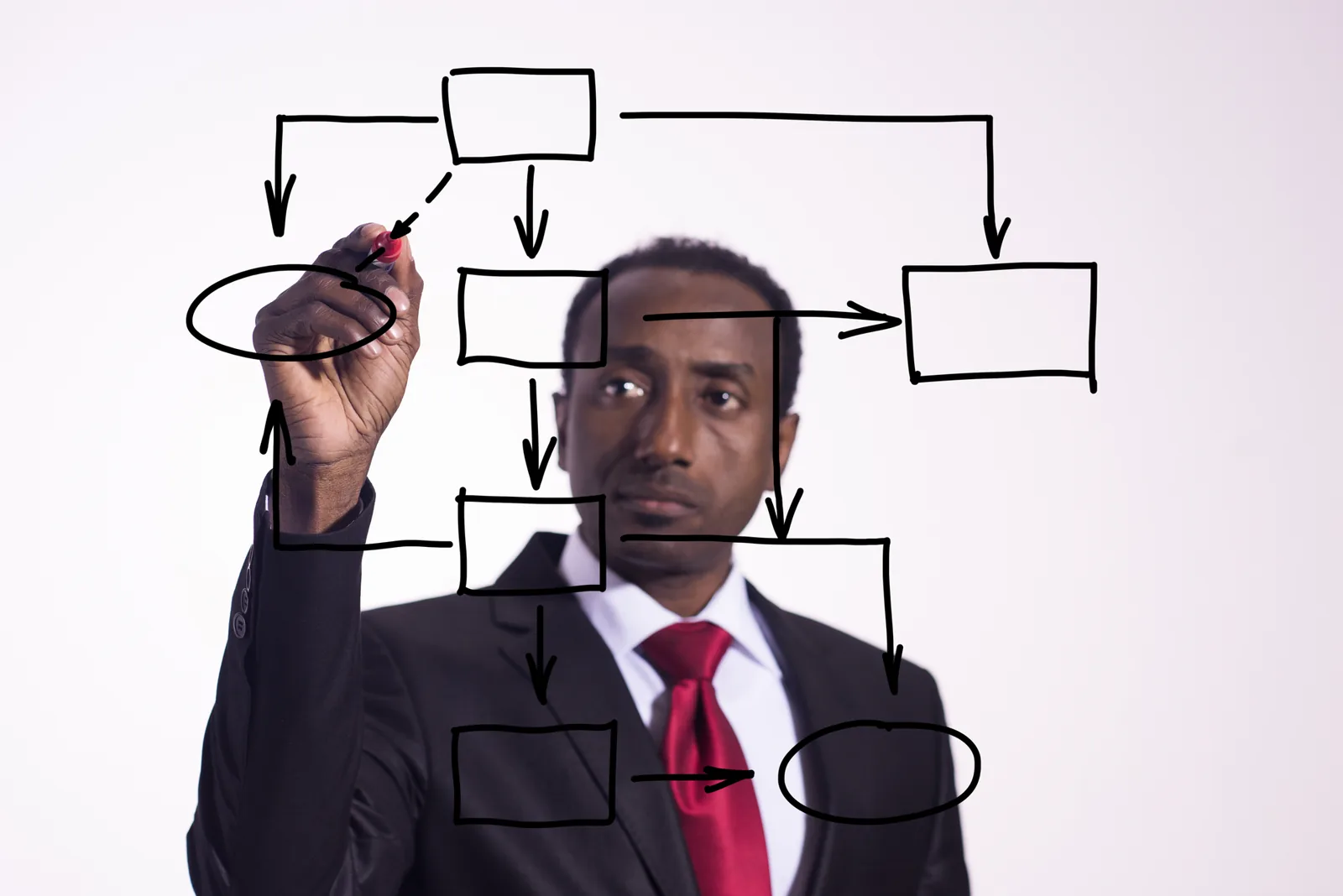
Operations coaching helps founders and managers develop the judgment, routines, and accountability practices needed to run daily activities more consistently. These capabilities also support the broader goals of leadership consulting, particularly when businesses need clearer decision-making responsibilities.
Signs Your Team Could Benefit From Operations Coaching
- Founder dependency: Routine operational decisions repeatedly require your approval.
- Unclear team capacity: Managers struggle to determine whether employees can handle additional work.
- Inconsistent throughput: Output changes unexpectedly despite similar staffing and demand.
- Recurring quality problems: Teams correct repeated mistakes without identifying their causes.
- Weak accountability: Employees complete tasks without clear responsibility for outcomes.
- Unproductive meetings: Operational discussions rarely lead to decisions or meaningful follow-through.
These challenges don't necessarily require additional employees or expensive software. Sometimes the priority is developing stronger operational management skills.
What Is Operations Coaching?
Operations coaching is a guided development process that helps founders, managers, and teams improve how they organize, monitor, and manage everyday business activities.
It focuses on practical capabilities rather than providing generic management advice. Participants learn to evaluate workflows, understand capacity constraints, review quality performance, and establish useful operating routines.
Unlike operations consulting, coaching places responsibility for learning and application with the participants. The coach helps them examine problems, develop judgment, and test appropriate management practices.
The intended outcome is a team that can make more informed operational decisions without depending on an outside advisor for every problem.
Who Is Operations Coaching Designed For?
Operations coaching may be appropriate for founders who want to delegate more responsibility, managers overseeing growing teams, and department leaders struggling with recurring execution challenges.
It can also support employees transitioning into operational leadership roles who need to develop practical decision-making and performance management habits.
Participants Who May Benefit
- Founders: Develop better delegation and operating review practices.
- Operations managers: Learn to evaluate throughput, capacity, and quality.
- Department leaders: Strengthen daily accountability and workflow coordination.
- Startup operators: Establish manageable routines before complexity increases.
- Service delivery teams: Improve visibility into workload and customer commitments.
- Growing management teams: Develop consistent approaches to decisions and escalation.
Participants should have opportunities to practice using actual business information. Coaching is most valuable when lessons connect directly to their responsibilities.
Dylan Mazzei's Approach to Operations Coaching
Dylan Mazzei brings more than eight years of experience building and operating businesses, including four company exits, to his perspective on operational leadership.
His approach emphasizes understanding how a business actually works before deciding what should change. That means examining the experience of employees, listening to customers, and questioning assumptions about performance.
Operations coaching should develop the ability to make practical decisions under real constraints. The goal isn't to teach a universal operating formula but to help participants understand what their specific business requires.
The proposed coaching approach focuses on internal learning and accountability, with final session formats and included materials subject to confirmation. Dylan's broader Operating Ecosystem also emphasizes how people, processes, technology, and leadership must work together.
A Five-Stage Operations Coaching Journey
A practical operations coaching engagement can move from understanding existing challenges to establishing management habits participants can maintain independently.
Stage 1: Assess Current Operational Responsibilities
Participants begin by examining how daily work is organized and who is responsible for important outcomes.
They identify recurring management decisions, reporting routines, operational bottlenecks, and tasks that depend too heavily on the founder.
This establishes a clearer view of current practices before new routines are introduced. A Business X-Ray Self Assessment can help founders identify broader operational concerns worth examining.
Stage 2: Understand Throughput and Team Capacity
Participants learn to distinguish the amount of work entering the business from what their teams can reliably complete.
The exercise considers workload, employee availability, process delays, and the resources required to maintain quality.
The objective is to improve capacity judgment rather than simply push employees to produce more.
Stage 3: Evaluate Quality and Operational Consistency
Teams examine recurring mistakes, customer complaints, incomplete work, and situations requiring rework.
Participants learn to identify patterns and consider whether quality problems relate to instructions, resources, training, or process design.
This encourages leaders to address underlying causes instead of repeatedly correcting individual errors.
Stage 4: Establish an Operating Cadence
An operating cadence provides a consistent rhythm for reviewing priorities, performance, and unresolved problems.
Participants practice organizing operational discussions around useful information, accountable owners, and clear next steps.
The objective is to create meetings that support decisions rather than additional administration. The guide on how to set a weekly operations review provides a related approach to establishing this management rhythm.
Stage 5: Apply, Review, and Maintain
Participants test the management practices they have developed and evaluate how they work during normal business activities.
They review progress, identify remaining weaknesses, and clarify responsibility for maintaining operating routines.
The final focus is independent capability: managers should understand how to continue evaluating and improving performance after coaching concludes.
Core Skills Developed Through Operations Coaching
The coaching journey should connect practical exercises to capabilities participants can demonstrate.
| Coaching Focus | Participant Exercise | Intended Learning Outcome |
|---|---|---|
| Throughput | Review work completed over a defined period | Better output visibility |
| Team Capacity | Compare demand with available resources | More informed workload decisions |
| Quality | Examine defects, rework, and complaints | Stronger problem identification |
| Accountability | Assign operating responsibilities | Clearer ownership |
| KPI Management | Define measures and responsible reviewers | Better performance interpretation |
| Operating Cadence | Practice structured review meetings | More consistent follow-through |
These exercises are proposed coaching components rather than verified packaged deliverables. Their inclusion should be agreed during engagement scoping.
Exercise 1: Understand Operational Throughput
Throughput measures how much work moves through a defined process during a particular period. Depending on the business, this may involve completed customer requests, fulfilled orders, delivered projects, or processed transactions.
A coaching exercise can help participants choose a consistent definition and examine changes over time.
Importantly, higher throughput isn't always better. Increased output may create quality issues, employee pressure, or customer problems if available capacity is exceeded.
Participants should learn to interpret throughput alongside relevant quality and workload information.
The goal is to understand operational performance rather than treat one number as proof that the entire business is improving.
Exercise 2: Evaluate Team Capacity Without Overloading Employees
Capacity planning involves understanding how much work a team can reasonably manage with available people, skills, systems, and time.
Founders sometimes respond to rising demand by hiring immediately. In other situations, they expect existing employees to absorb additional work without examining current workloads.
Operations coaching helps managers evaluate the available evidence before making these decisions. When recurring capacity problems involve role definitions or workforce planning, staffing consulting may help evaluate broader organizational needs.
Questions for a Team Capacity Review
- Incoming demand: How much work is entering the process?
- Available resources: Which employees and capabilities support delivery?
- Current workload: What commitments are already assigned?
- Operational constraints: Where do approvals, systems, or dependencies limit output?
- Quality expectations: What standards must be maintained as volume changes?
- Future requirements: Which changes in demand might affect capacity?
This exercise supports more deliberate planning while recognizing that employee wellbeing and customer commitments must remain important considerations.
Exercise 3: Improve Quality Through Better Management Habits
Quality problems often appear as isolated errors, but recurring issues can indicate deeper weaknesses.
An employee may complete a task incorrectly because requirements were unclear. A customer complaint may originate in a handoff failure rather than the performance of the person handling the final interaction.
Coaching encourages participants to examine these possibilities before assigning blame.
Managers can learn to distinguish mistakes requiring immediate correction from patterns that justify process review.
Useful quality indicators may include rework frequency, missed requirements, customer complaints, and failed verification checks.
The appropriate measures depend on the business. A metric should explain something meaningful about performance rather than create reporting work without practical value. A business process mapping guide can help teams examine where recurring errors and delays develop.
Exercise 4: Establish a Practical Operating Cadence
Operational meetings are most valuable when they help teams understand performance and make necessary decisions.
A coaching exercise can introduce a simple review structure that participants adapt to their organization's needs.
Suggested Operating Review Structure
- Review current priorities: Confirm the most important operational commitments.
- Examine performance: Discuss relevant throughput, capacity, and quality indicators.
- Identify obstacles: Highlight recurring problems and unresolved dependencies.
- Assign decisions: Establish who is responsible for addressing each issue.
- Confirm deadlines: Set realistic expectations for agreed actions.
- Review previous commitments: Evaluate what changed since the last discussion.
Not every organization needs daily meetings or extensive dashboards. The appropriate cadence depends on operating complexity and how quickly decisions must be made.
Exercise 5: Assign Ownership to Operational KPIs
Performance indicators become more useful when someone is responsible for interpreting them and deciding what requires attention.
A dashboard without clear ownership can produce information that nobody reviews consistently.
Participants should learn to distinguish responsibility for collecting data from authority to make operational decisions.
For example, an operations manager may track delivery completion, while a department leader is responsible for addressing recurring delays.
What a KPI Ownership Template Should Include
- Metric definition: Explain exactly what is being measured.
- Business purpose: Clarify why the indicator matters.
- Data source: Identify where the information comes from.
- Reporting owner: Assign responsibility for preparing the measure.
- Decision owner: Establish who responds when action is required.
- Review frequency: Define when results should be discussed.
This approach helps develop stronger accountability without encouraging managers to track every possible activity.
Operations Coaching vs. Operations Consulting
Operations coaching and operations consulting may address similar business problems, but their primary responsibilities differ.
Coaching develops participants' ability to understand performance, manage teams, interpret information, and maintain operating routines.
Operations consulting focuses on diagnosing organizational challenges and recommending or implementing agreed operational changes. A consultant might develop a revised workflow, an operating roadmap, or a defined process improvement project.
Coaching doesn't automatically include managing employees, configuring software, or assuming responsibility for operational results.
Some organizations need both capability development and implementation support. The appropriate arrangement should reflect the actual problem.
How to Measure Operations Coaching Progress
Coaching should be assessed through practical learning outcomes rather than unsupported promises about revenue or efficiency.
Participants should become better able to explain how their operations perform, identify capacity constraints, and establish accountability for important measures.
Progress may include managers conducting useful performance reviews, documenting operating responsibilities, or recognizing quality problems earlier.
These capabilities can support better decisions, but specific financial or operational gains depend on how the business applies the lessons.
The coaching plan should establish realistic learning objectives and identify how participants will demonstrate their progress.
What to Expect From an Initial Coaching Assessment
The initial conversation should clarify the organization's operational challenges, participant responsibilities, and the management capabilities requiring development.
Founders may find it helpful to describe recurring workload problems, current performance measures, and how operational meetings are conducted.
Any proposed engagement should also establish coaching boundaries, participant expectations, session frequency, included exercises, and commercial terms.
A diagnostic may reveal that the company needs direct operations consulting rather than coaching. The appropriate recommendation should follow the evidence. You can review how Dylan Mazzei works to understand the broader assessment and engagement process.
Apply for an Initial Operations Coaching Assessment to discuss your management challenges.
Frequently Asked Questions About Operations Coaching
What is operations coaching?
Operations coaching helps founders and managers develop practical skills in managing throughput, team capacity, quality, accountability, and operating routines. It emphasizes internal capability rather than outsourced management.
Can operations coaching improve employee productivity?
It can help managers understand workload constraints and develop better operating practices. Actual productivity outcomes depend on implementation, team capacity, and business conditions.
Does operations coaching include KPI dashboards?
Participants may practice defining and managing operational indicators. A completed dashboard or technical reporting implementation would require an explicitly agreed scope.
Who should participate?
Founders, operations managers, department leaders, and employees responsible for recurring operating decisions may benefit. Participants should be selected according to the learning objectives.
How long does operations coaching take?
The duration depends on participant needs, organizational complexity, and the agreed format. A standard coaching schedule has not been verified.
Is coaching better than hiring an operations consultant?
Neither approach is universally better. Coaching develops internal management capabilities, while consulting may provide direct analysis or implementation support. The right option depends on the business challenge.
Develop Operational Leaders Who Can Make Better Decisions
A stronger operation depends on more than documented processes and performance reports. It requires managers who understand workload, recognize quality problems, establish accountability, and make informed decisions when conditions change. Operations coaching helps founders and teams develop these capabilities through practical exercises and consistent management habits, building greater independence in everyday execution.
If your business is struggling with inconsistent throughput, unclear team capacity, recurring quality problems, or founder-dependent decisions, an initial assessment can help determine the right support. Dylan Mazzei brings real operating experience and a diagnostic-first perspective to these conversations, with coaching format and deliverables confirmed before enrollment. Apply for Operations Coaching to discuss your team's development priorities and next steps.

More questions
Discuss your questions
Tell us what needs to improve, and we can discuss the next step.