


How Does Social Media Coaching Help Teams Plan Content and Manage Workflows?
Social media becomes difficult to manage when content ideas, approvals, publishing schedules, and performance reporting depend on individual employees.
Discuss your operating priorities
Tell us about your business and the work you want to improve.
Open the formSocial media coaching helps founders and marketing teams develop repeatable workflows instead of constantly reacting to deadlines. Learn how to plan content, assign responsibilities, maintain an editorial calendar, and evaluate results. Apply for coaching to explore practical support for your team.
What Is Social Media Coaching for Business Teams?
Social media coaching helps founders, managers, and marketing employees develop the skills required to plan, coordinate, publish, and evaluate social media content.
Unlike outsourced social media management, coaching emphasizes building internal capability.

Participants learn how to establish content priorities, develop an editorial cadence, coordinate creative production, manage approvals, and interpret performance information.
For example, a company might already have employees who can write posts and create graphics but still struggle to publish consistently.
The underlying problem may involve unclear responsibilities, slow approvals, or unrealistic production schedules rather than insufficient creativity.
Coaching helps the team investigate these issues and develop practical working methods. Related business processes coaching can help managers strengthen the broader workflow management skills needed for consistent execution.
Why Do Social Media Teams Struggle With Consistency?
Many businesses begin social media marketing informally.
The founder suggests ideas, an employee creates content, and someone publishes when time becomes available.
This approach may work temporarily but becomes less dependable as channels, campaigns, and team responsibilities expand.
Signs Your Social Media Workflow Needs Improvement
- Last-minute production: Employees rush to create posts immediately before publishing.
- Unclear ownership: Nobody knows who approves captions, graphics, or campaign claims.
- Missed deadlines: Content waits for feedback without a defined escalation process.
- Inconsistent messaging: Different employees interpret the brand's priorities differently.
- Disconnected reporting: The team tracks engagement but struggles to relate activity to business objectives.
- Founder dependency: Routine content decisions repeatedly require owner approval.
These problems aren't necessarily solved by posting more often.
A more useful starting point is examining how content moves from an initial idea to publication and review. The guide on how to map a business process provides a practical framework for documenting these steps and identifying handoff problems.
What Skills Does Social Media Coaching Develop?
Effective coaching should strengthen the team's ability to manage its own content operations.
Six Practical Learning Areas
- Content planning: Translate business goals into relevant editorial themes.
- Workflow design: Establish clear stages for drafting, design, review, and publishing.
- Editorial scheduling: Build a manageable content cadence around team capacity.
- Approval management: Clarify decision authority and review deadlines.
- Performance reporting: Select useful metrics and interpret their limitations.
- Continuous improvement: Use evidence and feedback to adjust future content.
Participants should practice these skills with their own marketing activities.
The objective isn't to follow a rigid formula. It's to develop a process the team can maintain.
How Dylan Mazzei Approaches Social Media Operations
Dylan Mazzei brings more than eight years of experience building and operating businesses across different industries, including four company exits.
His broader experience includes marketing, giving context to the organizational decisions involved in managing promotional activities.
The approach emphasizes business fundamentals before tactics.
For example, a team might assume that poor social media performance requires a new platform or more frequent posting.
An operational assessment may instead reveal that employees don't understand the intended audience, content approvals take too long, or reporting lacks clear objectives.
Coaching encourages founders and teams to challenge these assumptions.
Specific coaching sessions, templates, and program deliverables should be confirmed during assessment rather than presented as guaranteed inclusions.
The Social Media Coaching Process
A practical coaching framework can develop capabilities through a sequence of applied exercises.
Stage 1: Understand Business and Audience Goals
Participants identify what social media is expected to support.
Different businesses may prioritize brand awareness, customer education, community relationships, qualified inquiries, or customer communication.
The team should distinguish these objectives before choosing content formats or success measures.
Stage 2: Map the Current Content Workflow
Participants examine how ideas become published posts.
They identify who suggests topics, creates drafts, prepares visuals, reviews claims, approves content, and schedules publication.
This exercise reveals delays and unclear responsibilities.
Stage 3: Build an Editorial Cadence
The team develops a publishing rhythm appropriate to available resources.
Coaching can help participants balance planned content with timely opportunities without creating an unsustainable workload.
Stage 4: Establish Approval and Publishing Controls
Participants define review responsibilities, approval conditions, and procedures for handling changes.
They learn to document the process in a way employees can use independently.
Stage 5: Review Results and Improve
The team practices examining performance information against its original objectives.
Participants identify what the data supports, what remains uncertain, and which adjustments deserve testing.
What Does a Repeatable Social Media Workflow Look Like?
A documented content workflow helps employees understand how work moves from planning to publication.
Consider this proposed process:
- Business objective identified
- Content idea added to editorial calendar
- Brief assigned to content owner
- Caption and creative assets prepared
- Brand and factual review completed
- Authorized approver accepts content
- Post scheduled and published
- Performance reviewed
- Findings inform future content
The workflow should also address rejected drafts, missing assets, urgent changes, and unavailable approvers.
A process diagram is useful only when it accurately reflects how the team operates.
Worked Example: Fixing a Disorganized Content Team
Consider a hypothetical professional services company that publishes social media content inconsistently.
The team includes a marketing coordinator, designer, account manager, and founder.
The coordinator creates content ideas, but the designer frequently receives incomplete instructions.
Completed posts then wait several days for the founder's approval.
Before Coaching
The business has no shared editorial calendar.
Employees exchange ideas through messages, and publishing dates change whenever reviews take longer than expected.
The founder believes the team needs more creative staff.
During the Coaching Exercise
Participants map the existing workflow and identify two recurring problems.
First, creative briefs don't consistently include the audience, message, format, and intended publishing date.
Second, employees don't know which posts require founder approval.
The group develops a proposed content brief and approval matrix.
After the Exercise
The coordinator prepares complete briefs before assigning production.
Routine content follows a designated review process, while sensitive or high-impact claims require additional approval.
The team tests the revised approach during a planned content cycle.
This is a hypothetical example, not a verified coaching engagement or guaranteed performance improvement. The HANDOFF Blueprint provides a related framework for improving the transfer of briefs, assets, and responsibilities between team members.
How to Build an Editorial Calendar
An editorial calendar gives the team visibility into planned topics, responsibilities, and publishing dates.
It should be detailed enough to coordinate work without becoming difficult to maintain.
Example Editorial Calendar
| Content Theme | Format | Owner | Review Requirement |
|---|---|---|---|
| Customer Questions | Educational Post | Content Coordinator | Marketing Review |
| Operating Insights | Short Video | Video Producer | Subject-Matter Review |
| Service Explanation | Carousel | Marketing Coordinator | Service Owner Approval |
| Company Update | Announcement | Communications Lead | Leadership Approval |
Publishing dates, distribution channels, and performance notes can be added to the working calendar.
Participants should choose a manageable cadence based on production capacity and actual audience needs.
Consistency is valuable, but frequency alone doesn't guarantee useful engagement or commercial results.
Create a Content Approval Matrix
Approval problems often occur because organizations haven't defined who can make which decisions.
A routine educational post may need a different review process from a customer testimonial or an announcement involving financial claims.
Approval Questions Worth Defining
- Content ownership: Who prepares the draft?
- Accuracy: Who verifies factual or technical statements?
- Brand consistency: Who checks positioning and messaging?
- Final approval: Who authorizes publication?
- Review deadlines: When must feedback be returned?
- Escalation: What happens when a reviewer is unavailable?
The team should establish procedures appropriate to its business.
Sensitive claims, customer information, advertising disclosures, and regulated topics require suitable professional oversight. Related organizational design coaching may help managers develop clearer responsibilities and approval boundaries.
Teach Teams to Write Better Content Briefs
A clear content brief reduces unnecessary revisions and makes creative work easier to coordinate.
Participants can learn to document the intended audience, core message, proposed format, business objective, and necessary supporting information.
For example, an educational carousel might explain three common customer onboarding mistakes.
Its brief should identify the audience, the facts requiring verification, and the intended takeaway.
The brief should not require designers or writers to guess what leadership wants.
Coaching should help employees create concise, repeatable instructions rather than lengthy documents that nobody uses.
How Should Social Media Teams Measure Performance?
A useful reporting process begins with the intended business outcome.
Awareness-focused content may be evaluated differently from a campaign intended to generate qualified inquiries.
Common measures include reach, engagement, profile visits, website traffic, leads, and conversions.
However, these figures don't all establish business value.
A post may receive substantial engagement without generating relevant customer interest.
A smaller educational post may attract fewer interactions but answer an important question for prospective buyers.
The team should understand what each metric measures and what it cannot prove.
Develop a Weekly Social Media Review
A short weekly review can help the team maintain its editorial cadence and resolve production obstacles.
The meeting should examine upcoming content, incomplete approvals, publishing status, and relevant performance information.
A practical agenda might allocate ten minutes to upcoming deadlines, ten minutes to production obstacles, and ten minutes to performance observations and next actions.
Participants should distinguish creative discussions from operational decisions.
Longer strategy conversations can take place separately.
Every significant action should have an accountable owner and agreed completion requirement. The weekly operations review guide includes a related framework for meeting agendas, scorecards, and follow-through.
Social Media Coaching vs. Social Media Management
These services have different purposes.
Social media coaching develops the team's ability to plan, coordinate, publish, and evaluate its own content.
Social media management generally involves direct responsibility for creating, scheduling, monitoring, or managing content on behalf of a business.
Social media consulting may involve organizational analysis, strategic recommendations, workflow redesign, or agreed implementation support.
Coaching participants remain responsible for completing their exercises and operating the process.
A fully managed content calendar, creative production service, or outsourced publishing arrangement should not be assumed to be included.
What Outcomes Should Teams Expect From Coaching?
Coaching outcomes should focus on developing internal capability and improving process consistency.
Potential participant-created outputs include an editorial calendar, content briefing template, approval matrix, publishing checklist, and performance review worksheet.
The organization can evaluate progress by examining whether employees apply the process consistently.
A useful result may be fewer avoidable approval delays or clearer content ownership.
Increased reach, follower growth, leads, or revenue cannot be guaranteed.
Actual results depend on content quality, audience relevance, market conditions, platform behavior, and execution.
Who Is Social Media Coaching Best For?
This approach may benefit founders managing their first internal marketing employee, small marketing teams, and organizations bringing social media activity in-house.
It may also support teams that already publish frequently but lack coordination or meaningful reporting.
Businesses seeking immediate outsourced content production may need a different service.
Coaching works best when participants have access to relevant accounts, enough decision authority to improve workflows, and time to complete practical exercises.
Social Media Workflow Coaching Checklist
Use this checklist to evaluate your team's current practices.
Planning and Production
- Business objectives for social media are documented.
- Content themes reflect audience needs.
- A shared editorial calendar is maintained.
- Every planned post has an assigned owner.
- Creative briefs include required information.
Approvals and Publishing
- Review responsibilities are clearly assigned.
- Approval deadlines are realistic.
- Sensitive claims receive appropriate verification.
- Employees know how to handle revisions.
- Publishing status is visible to the team.
Reporting and Improvement
- Important metrics have consistent definitions.
- Available attribution information is recorded responsibly.
- Reporting limitations are acknowledged.
- Performance is reviewed on a regular cadence.
- Improvement actions have owners and deadlines.
These exercises can support a practical coaching workbook. Any downloadable templates or packaged materials should only be promised once their availability is confirmed.
Frequently Asked Questions About Social Media Coaching
What does social media coaching teach business teams?
It teaches practical skills involving content planning, editorial calendars, creative handoffs, approval procedures, publishing workflows, and performance reporting.
Is social media coaching suitable for small businesses?
Yes. Small teams can begin with straightforward planning and approval processes without introducing complex management systems.
Will Dylan create and publish our social media posts?
Not automatically. Coaching focuses on developing internal team capabilities. Direct creative production or account management would require a separately agreed scope.
Does coaching include an editorial calendar template?
An editorial calendar is a relevant learning exercise, but the exact templates and materials included in a coaching arrangement require confirmation.
Can social media coaching help improve lead generation?
It may help teams coordinate content and measure relevant inquiries more effectively. Lead volume and commercial results depend on additional factors.
How is coaching progress measured?
Progress can be evaluated through participant-created workflows, consistent publishing practices, clearer accountability, and more reliable reporting.
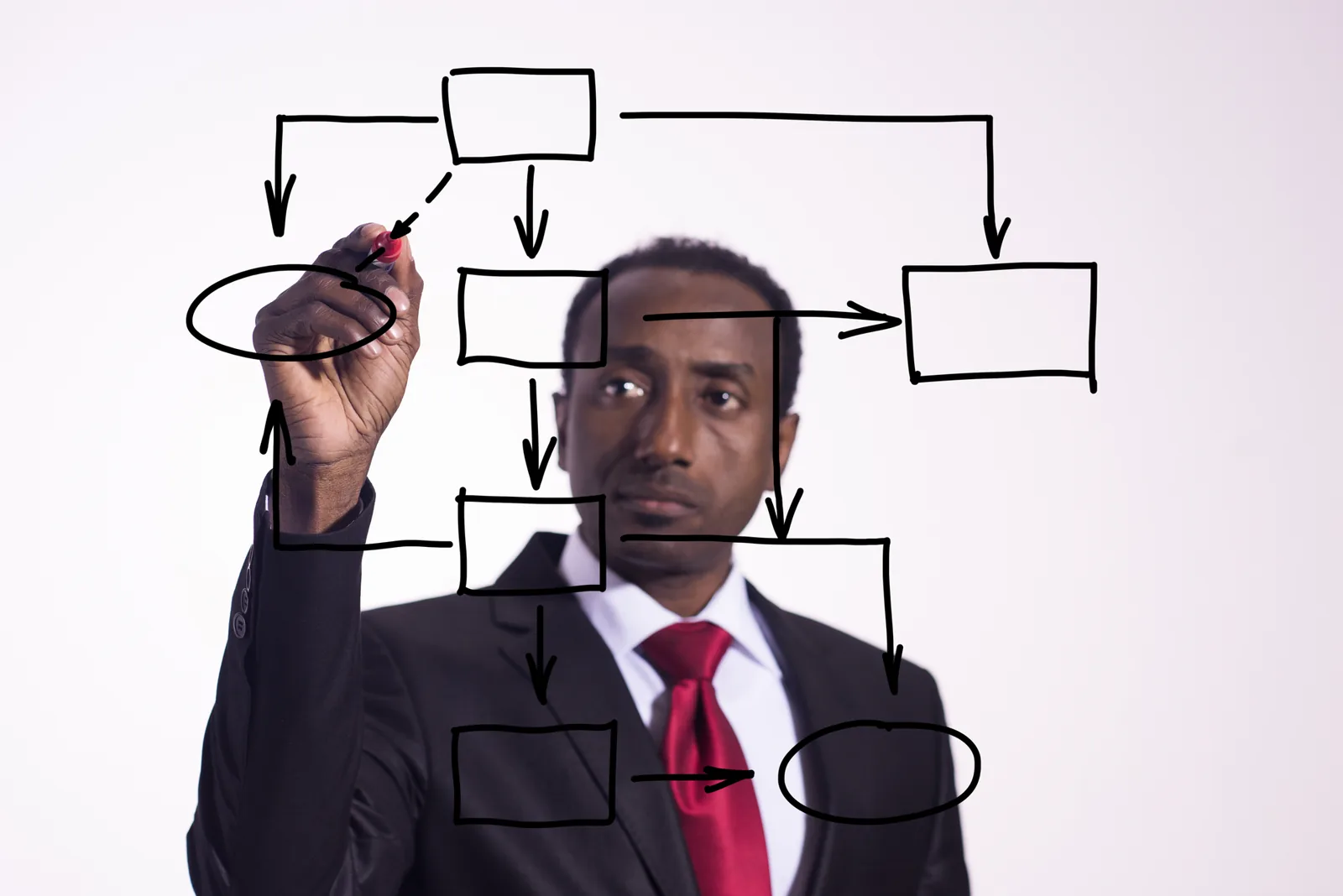
Build a Social Media Process Your Team Can Own
Effective social media operations require more than content ideas and regular posting. Teams need a dependable method for planning relevant material, coordinating production, reviewing claims, managing approvals, and interpreting results. Social media coaching helps founders and employees develop these skills through practical exercises and participant-led improvements. The goal is to create an internal workflow that supports consistent execution without requiring constant founder intervention.
If your team struggles with missed publishing deadlines, slow approvals, disconnected reporting, or unclear content responsibilities, coaching may help establish a stronger operating foundation. Dylan Mazzei brings founder-led business experience and a diagnostic-first perspective to management systems and marketing execution, with specific coaching materials and responsibilities confirmed during assessment. Apply for Social Media Coaching to discuss your team's challenges and determine the appropriate next steps.
More questions
Discuss your questions
Tell us what needs to improve, and we can discuss the next step.
Social Media Attribution and Reporting Discipline
Attribution involves evaluating how marketing activities may contribute to customer actions.
It is particularly challenging when buyers encounter several posts, visit a website later, receive referrals, or interact through multiple channels.
Coaching should help participants avoid claiming that one post caused a sale without sufficient evidence.
Attribution Practices Worth Learning
The objective is better interpretation of marketing evidence rather than creating artificial certainty. The guide on marketing attribution strategy provides further context for evaluating customer journeys and interpreting channel performance.
Privacy requirements and platform rules should be respected when collecting or using information.