


How Can AI Automation Consulting in Dubai Automate Repetitive Admin for Teams?
AI automation consulting in Dubai can help businesses reduce repetitive administrative work by identifying suitable workflows, evaluating automation risks, and introducing systems that support employees without removing necessary human oversight.
Discuss your operating priorities
Tell us about your business and the work you want to improve.
Open the formAI automation consulting in Dubai can help businesses reduce repetitive administrative work by identifying suitable workflows, evaluating automation risks, and introducing systems that support employees without removing necessary human oversight.
Tasks such as data entry, document classification, appointment preparation, and routine reporting may be candidates for automation when the underlying processes are clearly defined. The objective is not to automate everything but to reduce preventable manual effort while maintaining accuracy, accountability, and appropriate controls. Request a consulting assessment to discuss your administrative workflows and confirm Dubai service availability.
What Is AI Automation Consulting in Dubai?
AI automation consulting examines how artificial intelligence and workflow automation can support recurring business activities. It focuses on identifying suitable tasks, documenting operating requirements, selecting appropriate controls, and evaluating whether automation produces measurable value. An effective assessment considers how technology will interact with employees and existing business systems before recommending implementation.
Traditional automation follows predefined rules, such as transferring a record when a specific condition is met. AI-assisted automation may interpret text, classify documents, or prepare draft responses, although its outputs can be incorrect. Businesses should distinguish these capabilities because they require different levels of testing, oversight, and maintenance.
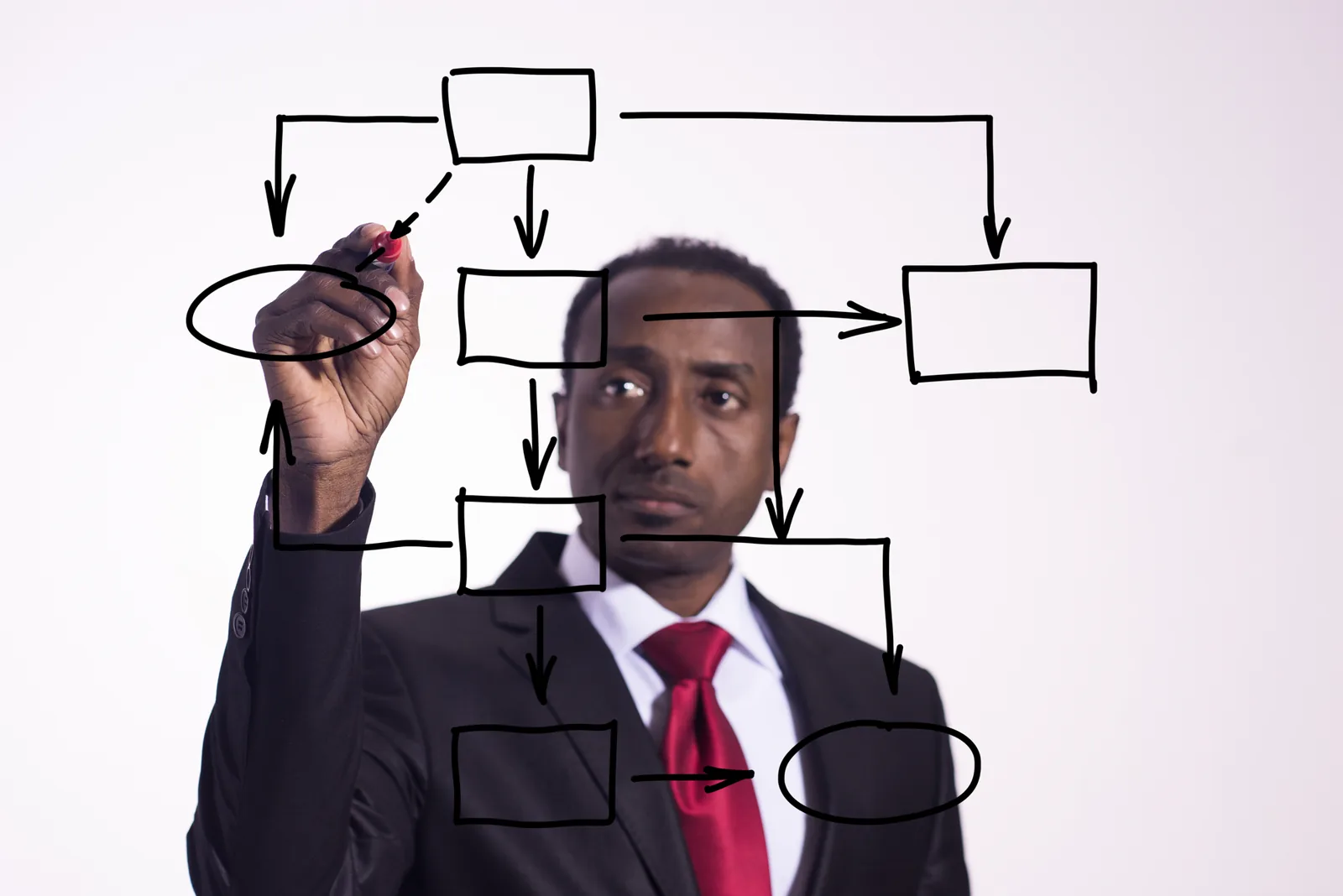
Potential applications include:
- Sorting routine customer inquiries.
- Extracting information from approved documents.
- Preparing draft administrative summaries.
- Routing internal requests to appropriate departments.
- Identifying missing information in standard forms.
- Organizing recurring management reports.
- Supporting employee access to approved operating procedures.
Sensitive decisions and high-risk activities should retain appropriate human review. The aim is to support employees with reliable tools rather than automatically transfer responsibility for important decisions to software. Businesses can explore AI automation consulting for additional context on evaluating workflows and implementation requirements.
Why Do Dubai Businesses Consider Administrative Automation?
Dubai businesses may coordinate administrative work across departments, operating locations, suppliers, and customer groups. Employees may spend substantial time transferring information between applications, checking documents, or preparing recurring reports. These activities can become difficult to manage as transaction volumes and internal coordination requirements increase.
A professional services company may process recurring client documents and internal approvals. A trading company may manage purchase requests, order details, and supplier correspondence, while a hospitality business may coordinate reservation inquiries, service requests, and administrative reporting. Each organization has different information requirements and potential automation risks.
These are illustrative business situations, not verified Dylan Mazzei client engagements. In each case, employees may spend considerable time transferring information between systems or checking whether standard requirements have been met. Automation can be useful when these tasks are frequent, reasonably consistent, and supported by reliable information.
However, not every repetitive activity should be automated. Businesses should determine whether the underlying procedure is sufficiently clear and whether a system can complete the intended task without introducing unacceptable errors.
The broader Dubai Metropolitan Area consulting page provides additional geographic context for businesses considering consulting support.
Which Administrative Tasks Should Be Automated First?
A business should prioritize automation candidates based on their suitability rather than how technically impressive they appear. Initial projects are often easier to evaluate when tasks have predictable inputs, clear requirements, and manageable consequences if something goes wrong. These characteristics make testing and performance measurement more practical.
Good initial candidates often have:
- Repeated steps and predictable inputs.
- Clear instructions and completion requirements.
- Reliable source information.
- Limited consequences when errors are detected.
- Defined employee ownership.
- A practical way to verify outputs.
- Measurable time or quality benefits.
Tasks involving sensitive personal information, significant financial decisions, employment matters, or legally consequential outcomes require greater caution. Some activities may be unsuitable for AI automation, particularly when mistakes could create serious consequences that cannot be readily identified or corrected.
An assessment should consider both potential benefits and the resources needed to maintain safe operations. A task that consumes employee time may still be a poor automation candidate if its inputs are highly inconsistent or require frequent specialist judgment.
The guide on how to audit business systems provides a related approach for examining existing applications, information quality, and operating dependencies before making technology decisions.
Decide Between Rules-Based Automation and AI
Not every repetitive task requires artificial intelligence. A simple workflow rule may be more reliable when inputs and decisions follow predictable conditions. For example, automatically assigning a request based on a selected department may not require AI because the routing condition is already explicit.
AI may be more relevant when the task involves interpreting varied documents or preparing draft summaries. However, these capabilities can produce uncertain or incorrect outputs, requiring additional verification and controls. The business should evaluate whether those risks are justified by the potential benefits.
The choice should consider accuracy, explainability, cost, maintenance, and risk. Business owners should prefer the simplest suitable approach rather than introduce AI where a conventional system would work better.
The assessment should also consider how employees will maintain the workflow when requirements change. A simpler system may offer better long-term reliability if its logic is transparent and easy for authorized staff to update.
Related software systems consulting can help businesses assess existing applications and determine whether new technical capabilities are necessary.
Establish Human Review Requirements
Human oversight is essential when automation can produce incorrect or incomplete outputs. Review responsibilities should reflect the consequences of an error rather than assume every automated task requires identical supervision. Low-risk draft preparation may have different requirements from activities affecting contracts, financial decisions, or confidential information.
For example, an employee may verify extracted customer details before creating an official record. A manager may approve external communications involving commercial commitments, while a qualified specialist may need to review material involving regulated activities.
The business should document when automated outputs can proceed, when verification is mandatory, and when automation must stop. Human review should be meaningful, with reviewers able to identify and correct problems. Employees need sufficient access to original information and clear authority to reject unreliable outputs.
Review procedures should also identify how errors are documented and who investigates recurring problems. If reviewers repeatedly correct the same issue, the organization should determine whether the automation requires revision or whether the task is no longer suitable for automated processing.
The objective is accountable use of technology rather than superficial approval. A human reviewer should not become responsible for large volumes of output without adequate time, information, or appropriate training.
Evaluate Data and Information Risks
AI systems may process confidential business information, employee records, or customer data. Before using an automation platform, management should understand which information will enter the system and whether the proposed processing is appropriate. The assessment should include both technical protections and the organization's information-handling obligations.
Before using an automation platform, management should understand:
- Which information the system receives.
- Where information is processed and stored.
- Who can access inputs and outputs.
- Whether providers retain or reuse submitted information.
- How records are protected and deleted.
- How errors and security incidents are handled.
- Whether proposed processing meets applicable obligations.
The appropriate requirements may differ depending on the business, data, and relevant UAE jurisdiction. Management should not assume that all cloud services or AI platforms provide identical privacy, retention, or access controls. Proposed data transfers and processing arrangements may require specific review.
AI automation consulting should not be treated as a substitute for legal, privacy, or cybersecurity specialist advice. Appropriately qualified professionals should evaluate requirements involving regulated information, contractual restrictions, and technical security controls.
The business should establish these conditions before testing sensitive information in a new system. Technical feasibility alone does not establish permission to use particular records.
Create an Automation Oversight Register
Every important automation should have an accountable owner who understands its purpose and operating limitations. An oversight register documents the approved workflow, review requirements, and performance expectations. This makes it easier for managers to determine which automated processes are operating and who is responsible when something goes wrong.
The register should also identify which employees can authorize changes and how exceptions are handled. A named owner is particularly important when an automated workflow operates across several departments.
Example Automation Oversight Framework
| Control Area | Required Management Decision |
|---|---|
| Business owner | Who is accountable for the workflow? |
| Approved purpose | What task may the automation perform? |
| Data access | Which information can be processed? |
| Human verification | When must an employee review results? |
| Exception handling | Who resolves uncertain outputs? |
| Monitoring | Which errors and outcomes are tracked? |
| Shutdown procedure | How can the automation be stopped safely? |
This register supports governance without requiring an unnecessarily complex management structure. It should identify practical controls that employees can follow during routine operations and unexpected failures. The business should also establish a process for reviewing changes to the automation's purpose or information access.
Managers should periodically verify whether the automation still operates within its approved scope. Changes to business procedures, software, or data sources may create new risks that were not present during initial testing.
Related organizational design consulting may help clarify ownership and approval authority for processes that involve several departments.
Measure Automation Performance
Time savings alone do not establish whether automation is successful. A system may process information quickly while introducing errors that require additional correction or supervision. Management needs to evaluate both efficiency and the quality of the completed work.
Useful performance indicators include:
- Average administrative processing time.
- Percentage of outputs requiring correction.
- Employee review time.
- Exception frequency.
- Rework caused by automation errors.
- Reliability of completed tasks.
- Operating cost relative to the previous process.
Management should compare pilot results with a relevant baseline. The evaluation should consider whether the new workflow reduces total effort rather than simply shifting work from one employee to another. For example, faster document extraction may provide limited benefit if reviewers spend substantial time correcting inaccurate records.
Benefits should account for implementation, monitoring, employee training, and ongoing maintenance. The organization should also examine whether the automated process remains reliable as input types or operating requirements change.
The guide on how to measure AI automation provides additional context for evaluating outcomes, operating costs, and automation performance.
Is AI Automation Consulting Available Onsite in Dubai?
Workflow interviews, automation assessments, process mapping, and pilot planning may be suitable for remote collaboration. These activities can provide useful information when relevant employees and authorized records are accessible. Remote delivery may be practical for evaluating administrative processes and proposed operating controls.
Some engagements may benefit from direct observation of administrative processes or coordination with internal technology teams. The appropriate arrangement depends on the workflow, systems involved, and specialist responsibilities required.
Dylan Mazzei's onsite AI automation consulting availability in Dubai has not been independently verified. A Dubai-specific page does not establish a permanent office, dedicated technical team, or verified local client experience. Service coverage, implementation responsibilities, and delivery arrangements must be confirmed before engagement.
Business owners should also clarify whether the proposed work involves advisory services, software implementation, security evaluation, or ongoing support. These activities should not be assumed included in the same engagement without explicit agreement.
Frequently Asked Questions About Dubai AI Automation Consulting
Can AI automate repetitive office administration?
Potentially. Suitable tasks may include document classification, information extraction, draft preparation, and request routing when appropriate controls are in place. The organization should establish reliable inputs, verification standards, and employee accountability before automating important activities.
Does Dylan Mazzei offer AI automation consulting in Dubai?
Dubai is included in the planned geographic coverage. Actual service availability and technical delivery arrangements require confirmation before an engagement is agreed. A Dubai-specific page does not establish a permanent office or guaranteed onsite technical support.
Does every repetitive task need AI?
No. Rules-based automation may be simpler, more predictable, and less expensive for clearly defined tasks. Businesses should evaluate whether conventional workflow tools can meet their requirements before introducing AI capabilities that require additional oversight.
Should employees review AI-generated outputs?
Human review is advisable where inaccuracies could affect customers, financial decisions, confidential information, or important business commitments. Reviewers should have the information, training, and authority needed to identify and correct errors. Some high-risk activities may be unsuitable for automation altogether.
How can companies measure automation savings?
Compare processing time, review effort, error rates, implementation costs, and ongoing maintenance against the previous workflow. A complete evaluation should consider whether automation reduces total work or merely creates new correction and monitoring responsibilities. Results should be measured using an appropriate baseline.
Can AI automation consulting guarantee cost reductions?
No. Results depend on task suitability, information quality, implementation, and continued oversight. Consulting can help businesses evaluate potential opportunities and establish more reliable decision-making without guaranteeing particular savings.

Automate Repetitive Administration With Appropriate Controls
Effective administrative automation begins with understanding the existing workflow, identifying suitable tasks, and maintaining accountability for results. Dubai businesses can reduce repetitive effort by testing focused use cases, establishing human review requirements, and measuring whether automation improves processing time and accuracy. An automation inventory and oversight register help management prioritize opportunities while keeping operational risks visible.
If your Dubai company struggles with repeated data entry, incomplete administrative records, inconsistent request routing, or growing manual workloads, an automation assessment may help identify practical next steps. Dylan Mazzei brings founder-led operating experience and a diagnosis-first approach, with Dubai service availability and technical responsibilities confirmed during scoping. Request a Business Consulting Assessment to discuss your administrative workflows and explore suitable automation opportunities.
Discuss your service priorities
Tell us what needs to improve, and we can discuss the next step.